A tooth turned about its own long axis. It looks like a small fault and it is one of the more stubborn ones.
What it is
Derotating a tooth stretches the supracrestal gingival fibres around it, and those fibres remodel far more slowly than bone does. The tooth is straight months before the fibres have accepted that it is straight, which is why rotations relapse more than almost anything else we correct, and why some of them get a fibrotomy.
Axial rotation — the plan
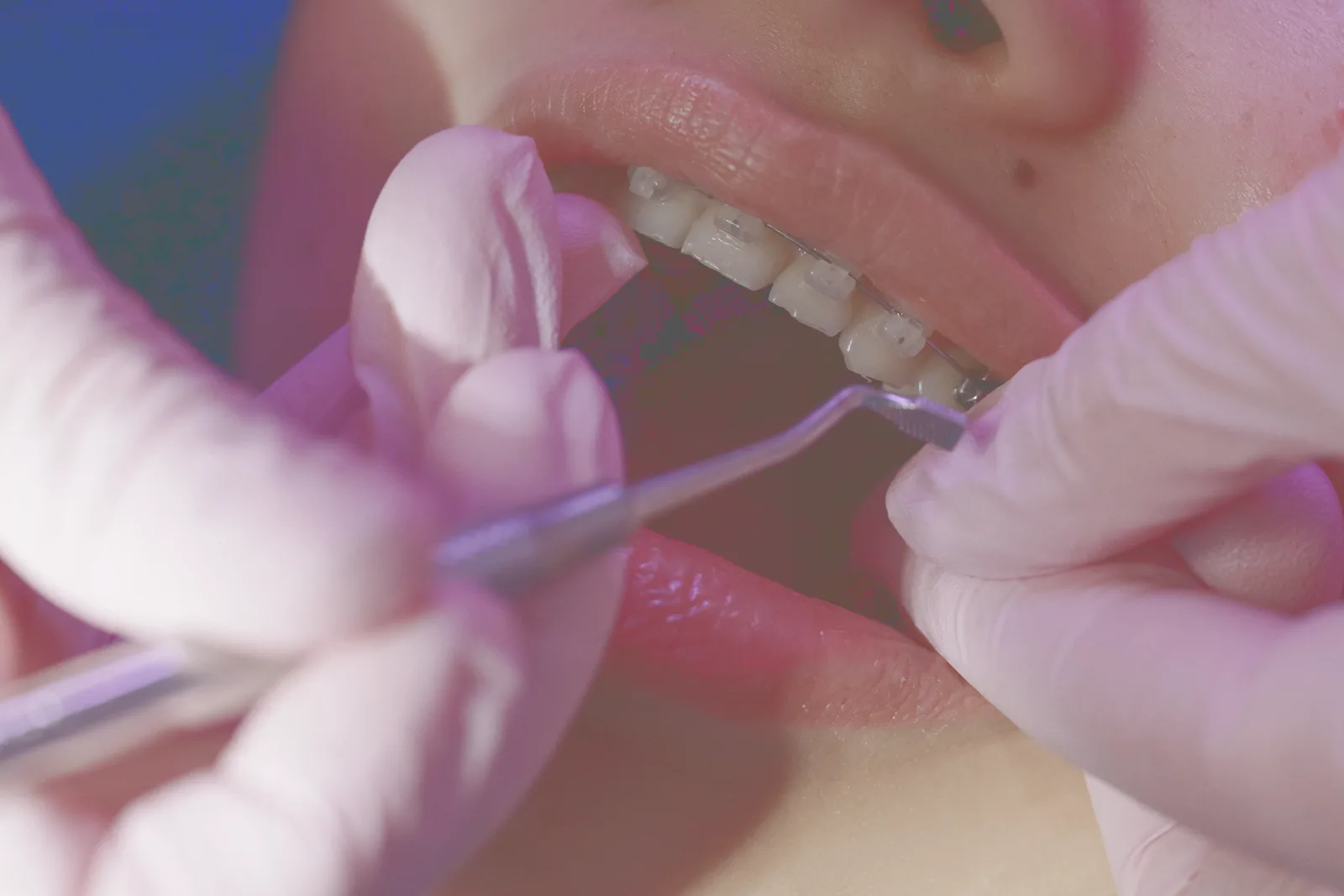
- Fixed appliances — a rotation needs a couple, and a tray cannot easily deliver one.
- Deliberate over-correction, because the fibres pull back.
- Long retention, and in some cases a circumferential fibrotomy.
| Clinical name | Axial rotation |
|---|---|
| Appliance | Fixed appliances |
| Typical duration | 14 to 20 months |
| From | £2,450 |
| Retention | Included — bonded lower, removable upper, two years of reviews |
Next step
A consultation is £65 and includes photographs, a scan and a lateral cephalogram, plus a written plan with the fee on it. Nothing is started on the day.
Other faults
- Crowding — Arch-length deficiency
- Spacing and diastema — Generalised spacing / midline diastema
- Deep bite — Increased overbite / curve of Spee
- Midline discrepancy — Dental midline deviation